Accepting New Client Inquiries
August 2026
Moving toward what matters
Evidence-based therapy for trauma, OCD, anxiety, relationship issues, grief, and life transitions. A grounded, values-focused approach to lasting change.

Hi, I’m Reese.
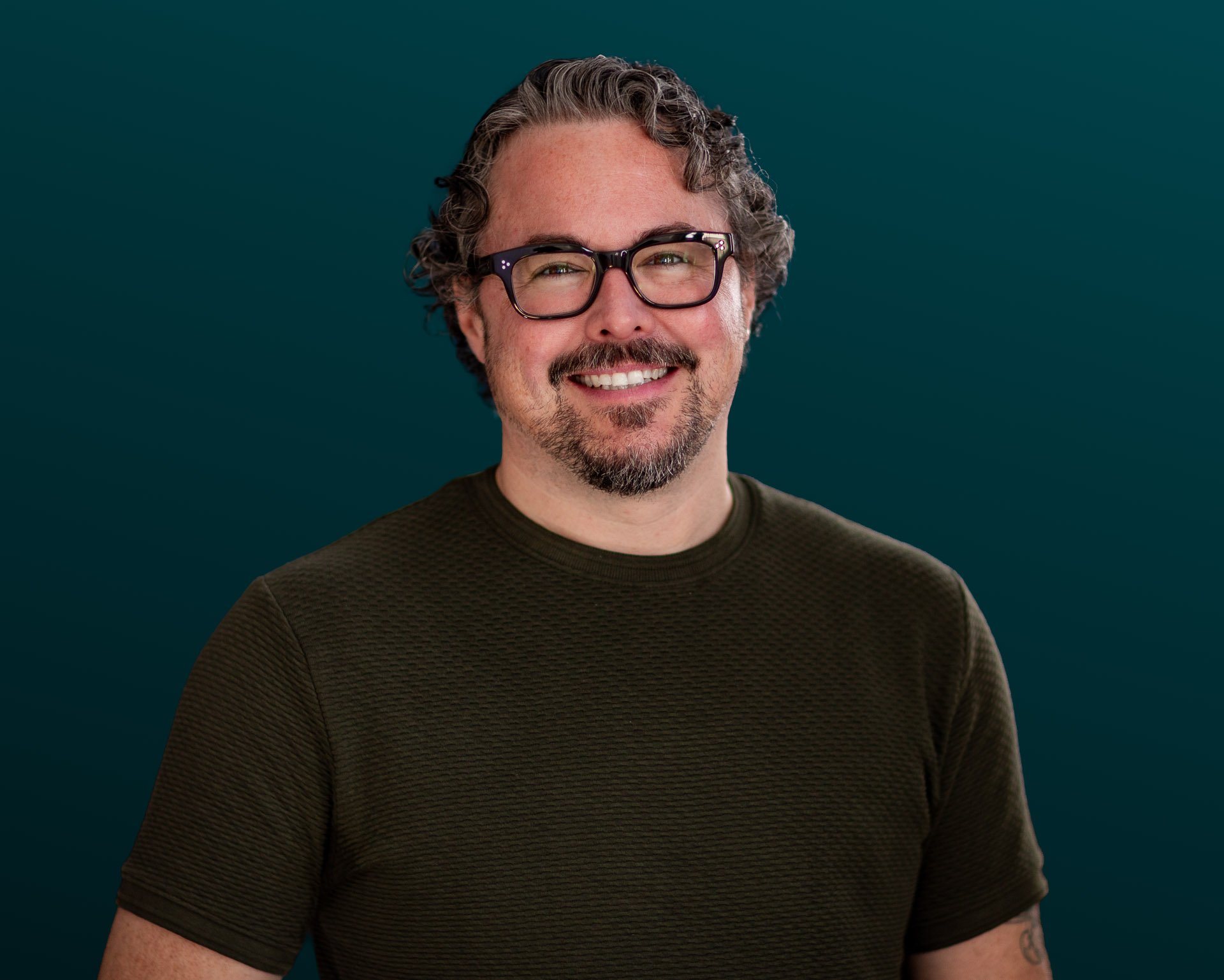
I'm a rostered, pre-licensed clinical mental health counselor specialized in treating trauma, OCD, anxiety, relationship issues, grief, and life transitions. I work collaboratively and directly, with warmth, honesty, humor, and a genuine commitment to making therapy feel like it was built for you.
I came to counseling after two decades as an educator, researcher, and advocate. That history isn't background noise; it's central to how I understand people and what they carry. I understand that what people struggle with is often shaped by the world they live in, not just the interior of their minds.
Acceptance and Commitment Therapy (ACT) is the foundation of my work, a framework that deepens self-awareness, brings your values and goals into focus, and supports you in acting on them. I utilize Exposure and Response Prevention (ERP) for OCD, phobias, and anxiety; Prolonged Exposure Therapy (PE) and Brainspotting for trauma; and Brainspotting for complex trauma, anxiety, and somatic-related concerns. Where needed, I also draw on somatic practices, attending to how the body holds and processes experience alongside the mind.
Building a values-aligned life, together.
-
There are a lot of good therapists in Vermont. What sets my practice apart is a combination of specialized training, evidence-based methods, and a genuine commitment to making therapy feel accessible — and worth your time.
Every approach I use is grounded in research. That means the techniques I work with have been studied, tested, and shown to produce real results — not just feel-good conversation. I tailor these methods to fit your specific situation rather than applying a one-size-fits-all framework.
I've pursued advanced training in therapeutic approaches that aren't widely available in this region such as Exposure and Response Prevention, Prolonged Exposure Therapy, and Brainspotting. If traditional talk therapy hasn't felt like enough, there may be something here you haven't tried.
Some of the modalities I specialize in are designed to create significant, lasting change in a focused period of time — often 8 to 12 weeks. Therapy doesn't have to be indefinite to be transformative. If you're looking for a structured, goal-oriented process rather than open-ended sessions, I may be a strong fit.
-
Whether you're coming to me as a primary therapist or as an adjunct specialist, the experience of working together is the same.
Therapy with me is structured and collaborative — from the start, you'll know where we're headed and why. I believe you have the right to understand your own diagnosis and be an active voice in your treatment plan, so I work transparently: we talk openly about what I'm observing, what approaches I think might help, and what we're working toward together.
Sessions are goal-oriented and structured, while remaining genuinely responsive to what you bring each week. I hold warmth and directness in equal measure: I care deeply about the people I work with, and I also believe that therapy works best when it's honest — which sometimes means naming what's hard to name, or gently pressing on the places where growth is possible.
I don't assume that what's difficult for you is simply a product of internal dysfunction. A lot of what people carry is a reasonable response to real circumstances — to systems, relationships, and structures that have shaped them in ways worth naming and understanding. That context belongs in the room.
-
I offer both in-person and telehealth sessions because access matters — and for many people, the flexibility of meeting remotely makes therapy possible in the first place. That said, I find that in-person sessions tend to deepen the sense of connection in ways that are hard to replicate on a screen, and some of the modalities I use are simply more effective when we're in the same room. If in-person is an option for you, I'll usually recommend it. If it isn't, telehealth works well, and we'll make the most of it.
-
The first step is simple: Send an email to reese@traumatherapyvermont.com letting me know you’re interested in becoming a new client. In August, I’ll follow up and set up a free 15-minute conversation to get a sense of what you're looking for and whether I’m the right fit.
If we decide to move forward, I'll send intake paperwork before your first session. It covers some background on your personal mental health history, what's bringing you into counseling right now, and what you're hoping to get out of it. There are no right answers. This information helps me show up to our first session with useful context so we can get started on what matters most.
-
Therapy is one hour a week. The growth that brings people in — the shifts in how you think, respond, or relate to yourself — happens mostly outside that hour, in the moments when you apply what we're working on to real life.
So yes, there will often be something to practice or reflect on between sessions, though exactly what depends on the work we're doing and the modality we're using. I won't assign busywork — everything I ask has a purpose, and we'll talk about what that is.
-
I will post an update to this question in August.
-
I am currently exploring options and will post an update in August.